Why Working Professionals Are Turning to Mindfulness Meditation for Depression
Summary
Modern professionals are increasingly adopting mindfulness meditation to combat depression and burnout. This evidence-based practice offers mental stability, reduces cortisol, and breaks the cycle of isolation caused by busy schedules. Expert-led sessions provide a practical, time-efficient way to foster self-compassion and emotional resilience in high-pressure environments.
------------------------------------------------------------------
In today’s busy work environment, emotional problems like depression have become common issues among working professionals. Sounds familiar? Then, you may be going through the same situation, right? You are not alone. Treating yourself may seem time-consuming, and you don’t have the time to give yourself due to your busy daily schedule.
This is where mindfulness meditation comes into play. The mindfulness techniques may be ancient, but highly effective for treating depression. Hello! I’m Sandy Orkin, a certified meditation teacher. In this blog, I will let you know the reasons why working professionals like you are now choosing mindfulness meditation for treating depression.
Let’s dive in!
Reasons Why Professionals Are Now Choosing Mindfulness Meditation to Treat Depression
People are Now Aware of the Importance of Inner Stability
Honestly, giving your best performance is easy when you are stable emotionally. Long working hours and tough competition can make you depressed over time. And this is not great for your health and career. Professionals are now more aware of it.
Mindfulness meditation is not like traditional meditation; you can integrate the techniques into your daily life. Once you fit them into your daily routine, it starts showing results gradually.
Mindfulness is Crucial to Stay Active Mentally
As a working professional, handling office and personal life can make you feel exhausted physically and emotionally. But over time, you may find you are feeling exhausted even when you are not doing physically intensive work. This is because your mind never stops. Emails don’t stop, and notifications never end.
Mindfulness meditation for depression breaks the cycle. It gives the brain a structured break. Do you know that just ten-minutes of focused breathing can lower cortisol levels (the stress hormone)? When you are active, you feel less likely to be depressed.
Isolation Has Become the Top Enemy
A busy work schedule gives your life a structure, but it makes you feel lonely. You can’t spend as much time with your friends as before and continue to enjoy your life, even on weekends. This often leads to depression.
In my Zoom mindfulness meditation sessions, I emphasize honest self-inquiry and compassionate awareness. Depression thrives in isolation, but mindfulness fosters awareness. When you begin observing your inner dialogue with kindness rather than criticism, you soften internally. This improves relationships at work and at home.
People with Busy Schedules Like Evidence-Based Support
Busy professionals don’t have the time to experiment with themselves. They often prefer treatments that come with evidence-based support. And this is another major reason that many professionals are now turning to mindfulness meditation for depression.
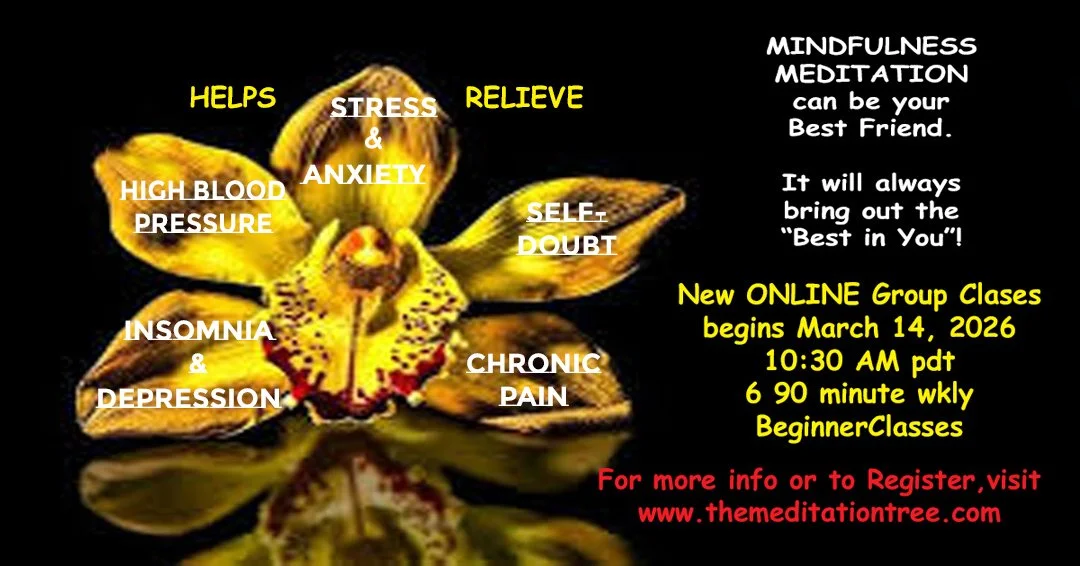
If you want to join mindfulness meditation classes, here is some good news. We are starting new online SIX 90-minute weekly beginner classes. Starting from March 14th, 2026, 10.30 AM PDT. These sessions are designed to improve your quality of life while managing depression.